HOFBURG Vienna: Vienna's first Eurovision Song Contest stage
March 23, 2026 - The Vienna Hofburg is one of the most important congress and event centers of Meeting Destination Vienna - and it was here that the first Eurovision Song Contest in Austria took place in 1967. A venue that can do it all, from pop culture and balls to conferences.
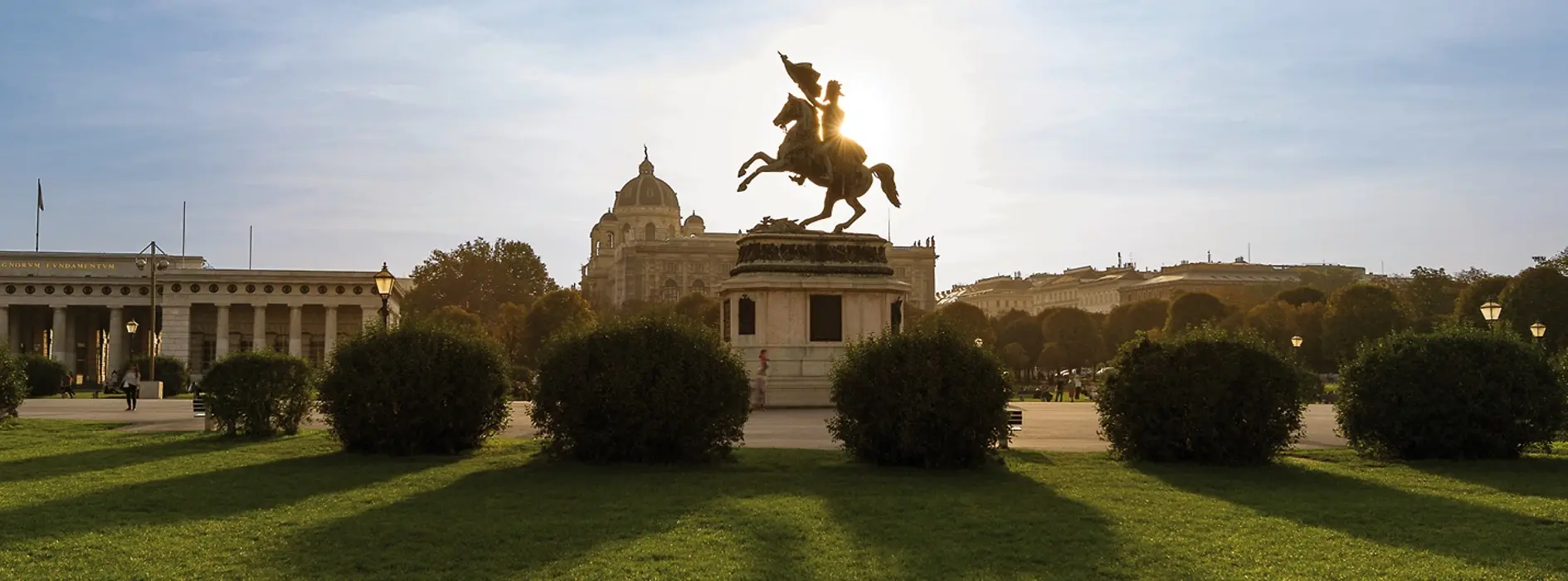
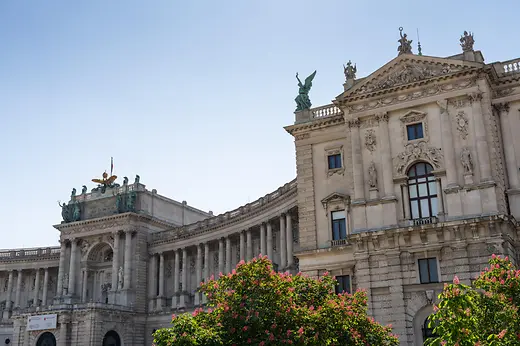
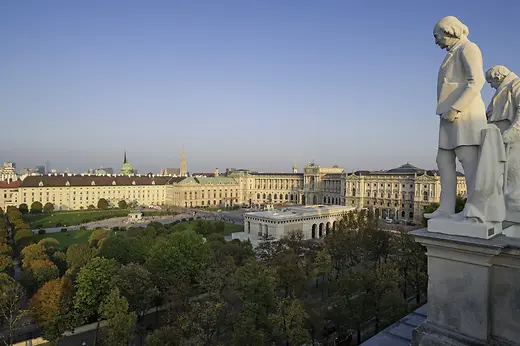
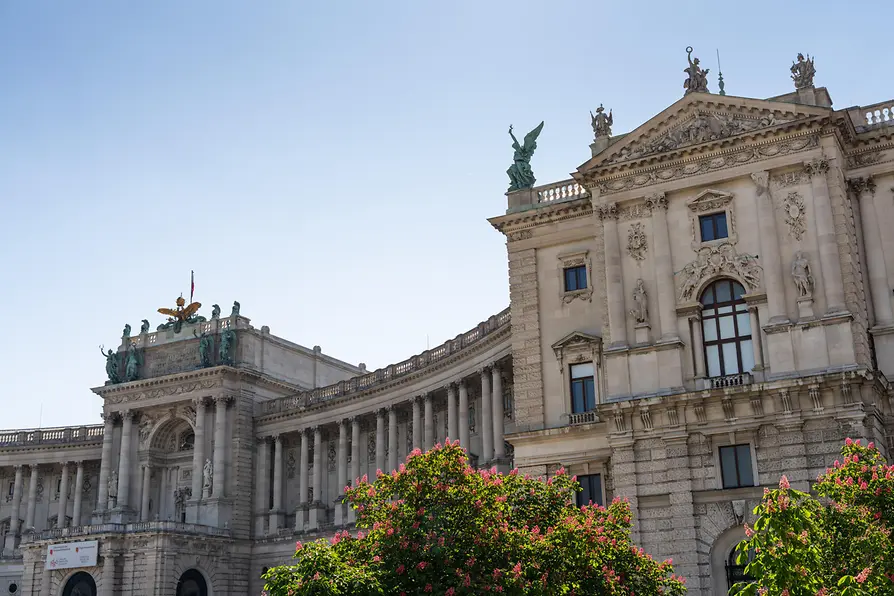
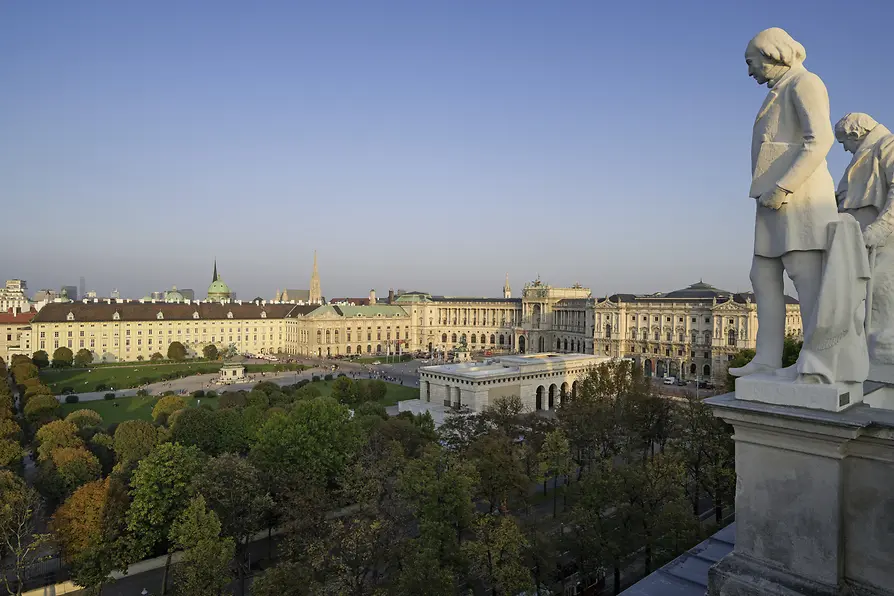
Hardly any other venue in Vienna has a history as varied as the Vienna Hofburg. As one of the world's largest palace complexes, it served the Habsburg monarchy for centuries as a winter residence and as a place of power and prestige. Thanks to continual architectural expansions over the centuries, the vast complex now offers unique spaces that can be used in countless different ways. And in 1967, the Eurovision Song Contest took center stage here.
The first Eurovision Song Contest in Vienna
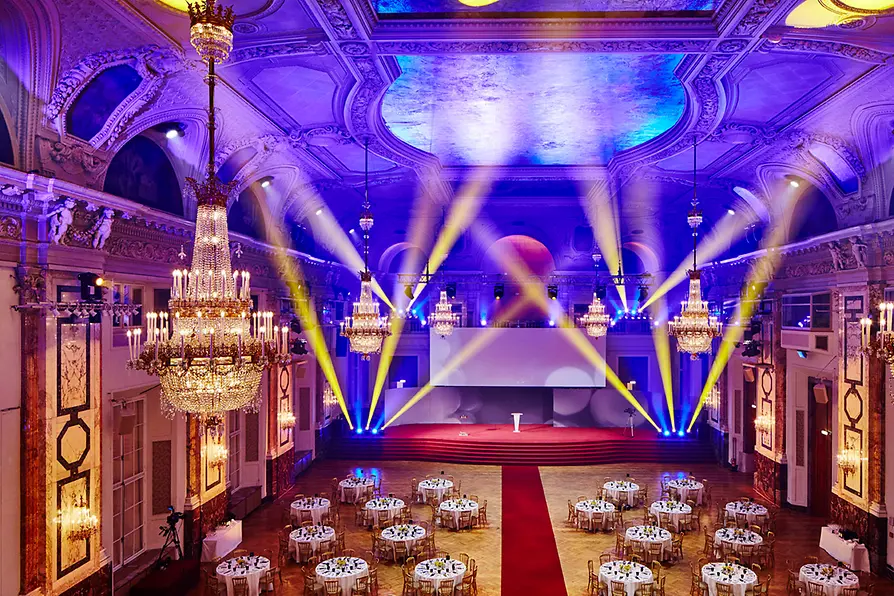
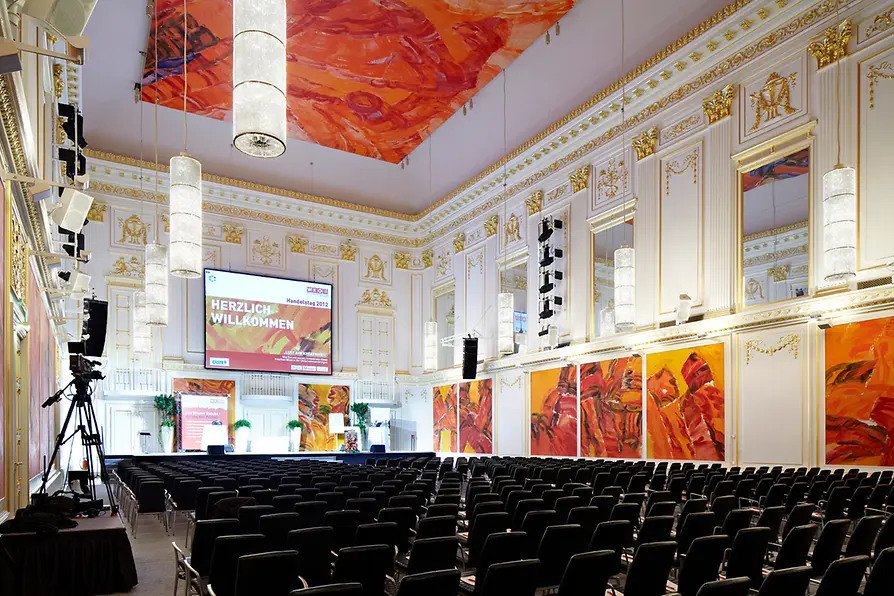
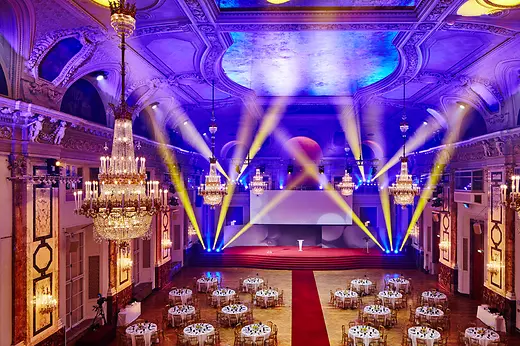
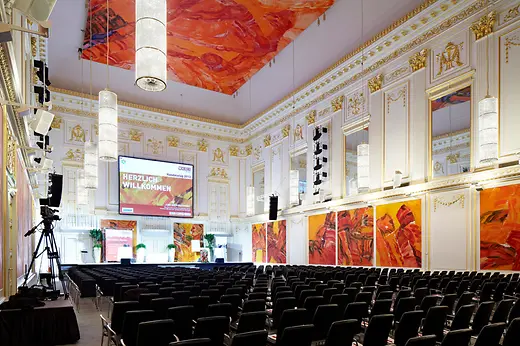
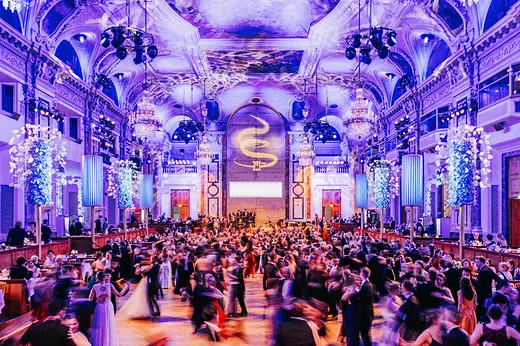
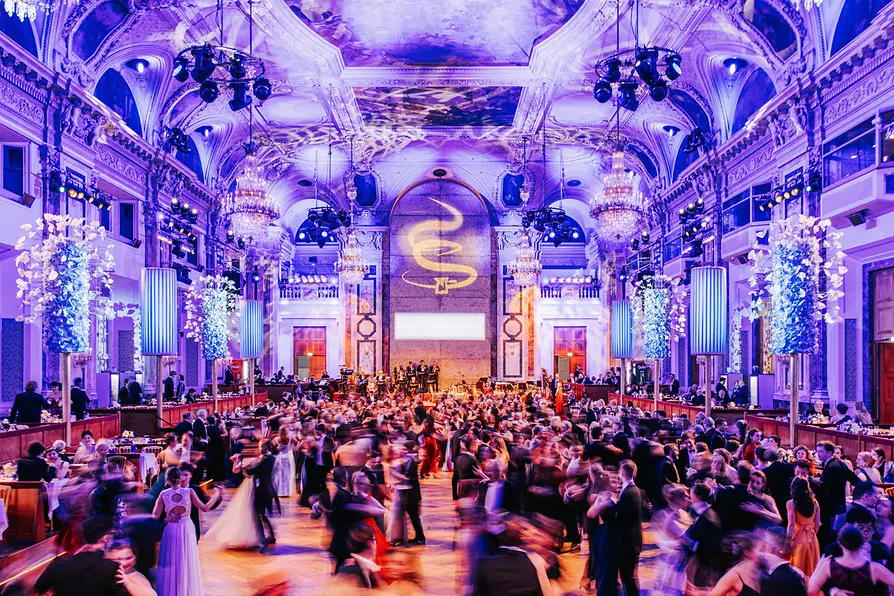
That was thanks to Udo Jürgens, who won the Eurovision Song Contest in 1966 with "Merci, Chérie" (at the time still called the "Grand Prix de la Chanson"). As a result, the world's largest music competition today took place in Vienna for the first time the following year. The stage was set in the historic Großer Festsaal (Grand Festival Hall) of the Vienna Hofburg. The winning song from 1967 is now a pop-culture classic: Sandie Shaw won by a landslide for the United Kingdom in an imperial setting with the song "Puppet on a String." It took almost five decades for Vienna to become a Eurovision Song Contest host city again. Just as it did in 2015, the mega-event will take place again at the Wiener Stadthalle in 2026. In the meantime, the Hofburg has evolved into a thoroughly modern congress and event center.
Up to 350 events per year
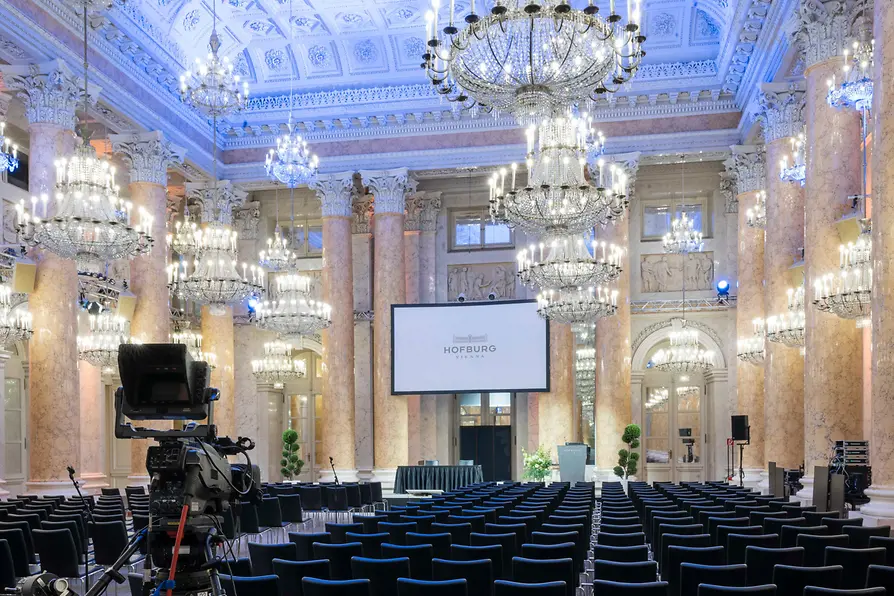
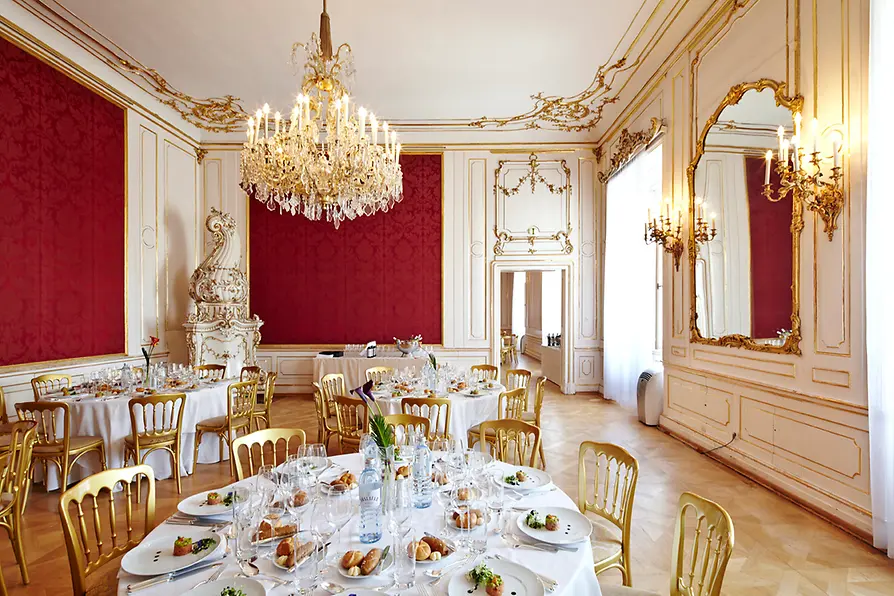
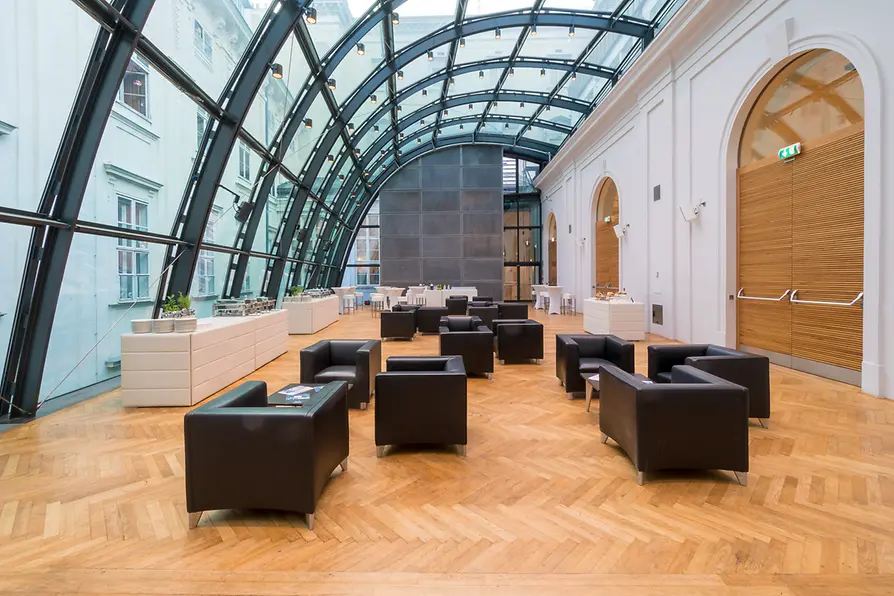
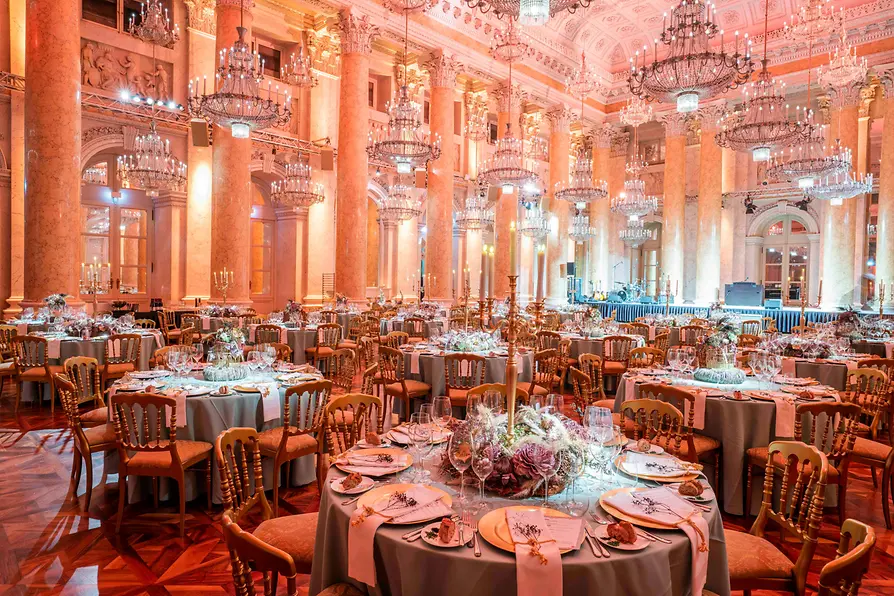
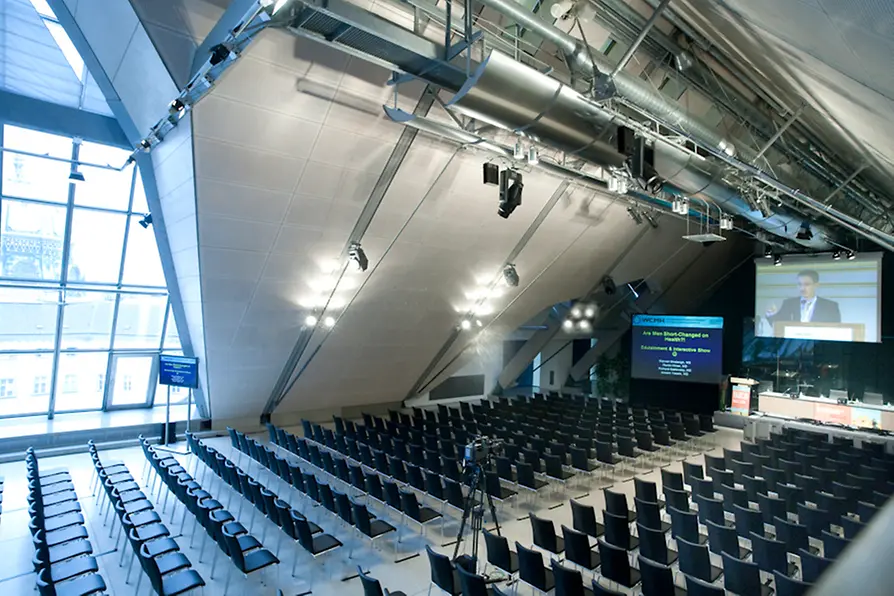
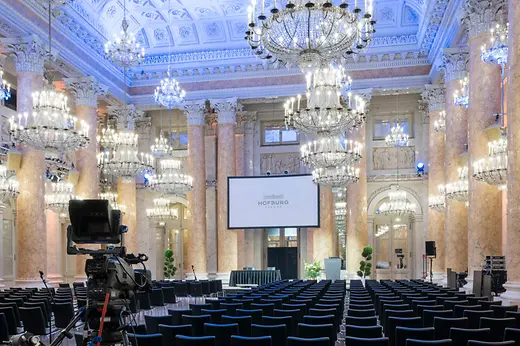
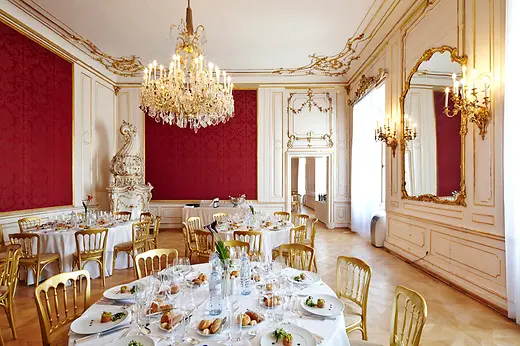
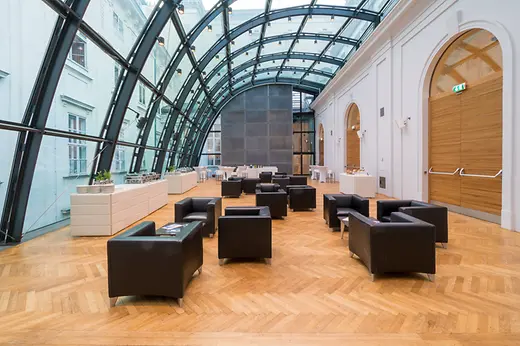
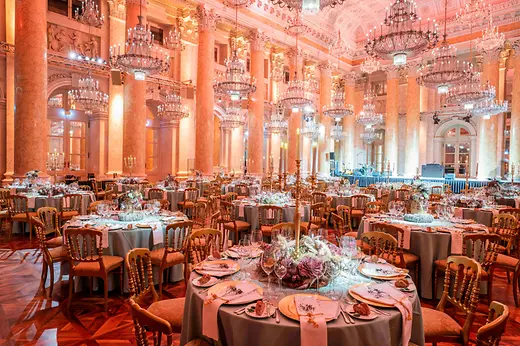
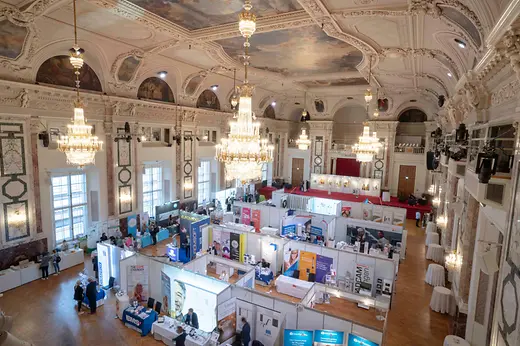
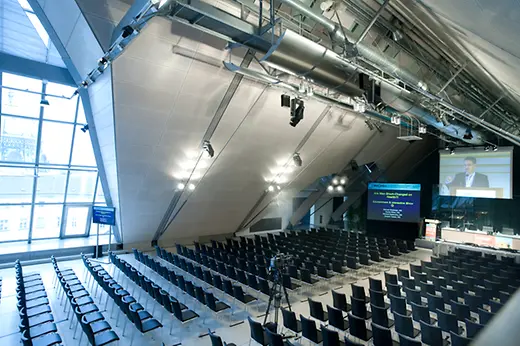
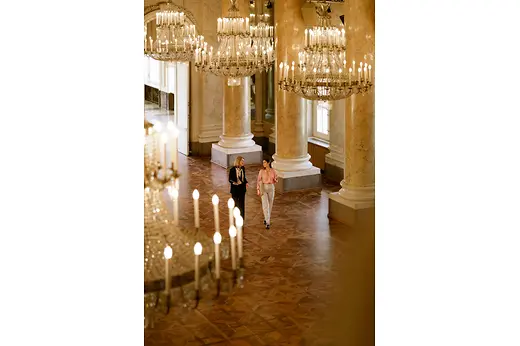
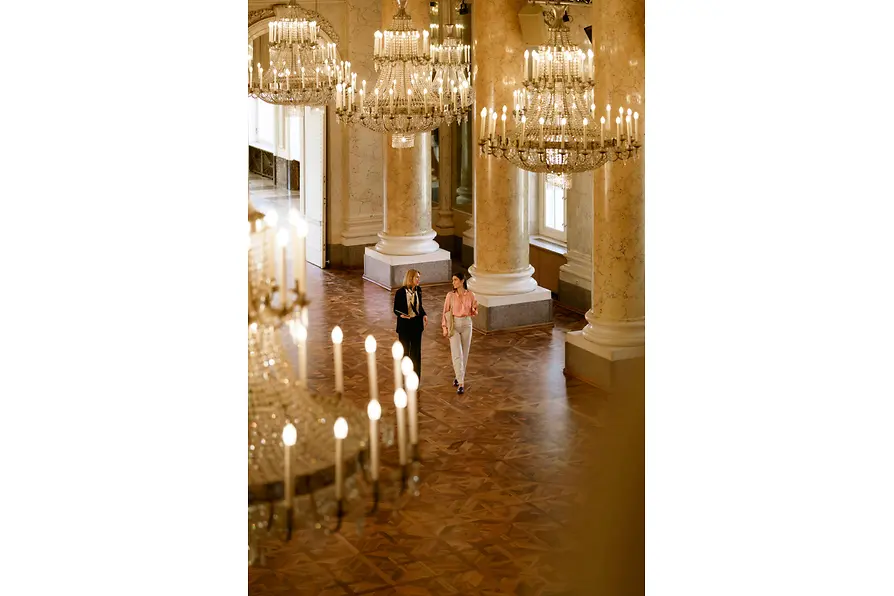
With a total of 17,000 square meters of event space, it offers venues suitable for events ranging from 50 to 4,900 people. The Großer Festsaal (up to 1,210 people), the former Song Contest venue, is just one of the spacious ceremonial halls at HOFBURG Vienna. The Großer Redoutensaal (up to 700 people) or the Zeremoniensaal (up to 500 people) also offer an imperial atmosphere. At the same time, modern glass architecture such as the Dachfoyer (up to 250 people) and the Hofburg Galerie (up to 350 people) harmoniously connects yesterday with today. Overall, HOFBURG Vienna offers 35 event rooms with extensive equipment and state-of-the-art technology for on-site, hybrid, or fully digital events.
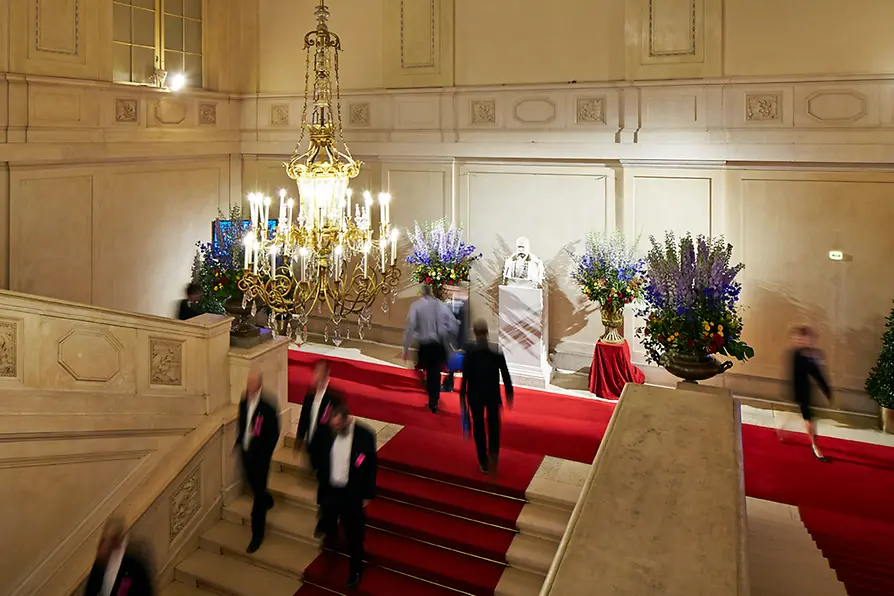
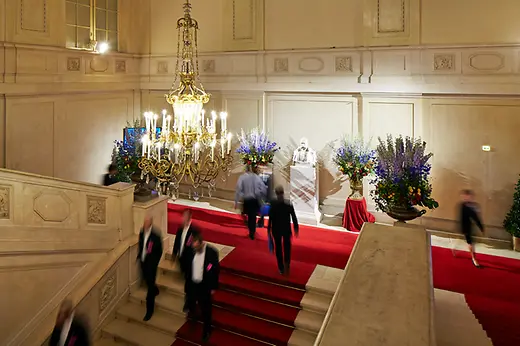
During the Habsburg monarchy, the Vienna Hofburg hosted imperial audiences. In 1814, after the Napoleonic Wars, Europe was reshaped here at the Congress of Vienna. Countless celebrations and balls were held - and even today, some long-standing traditional balls, such as the Vienna Coffeehouse Owners' Ball, take place in the state rooms.
World-famous music legends such as Haydn, Mozart, and Beethoven also performed here. After the end of the monarchy, the palace became property of the Austrian state. Since Austria regained sovereignty in 1955, the Federal President has had an official residence in the Leopoldine Wing and regularly receives political and religious leaders. During the Cold War, the Hofburg served as the venue for negotiations between U.S. President John F. Kennedy and Soviet leader Nikita Khrushchev at the Vienna Summit in 1961. Then in 1979 the SALT-II agreement to limit strategic nuclear weapons was signed here. Due to the enormous importance of the Vienna Hofburg to European history and Vienna’s imperial heritage, it received the European Heritage Label in 2015, recognizing it as one of Europe's most significant cultural landmarks.
In the heart of the city
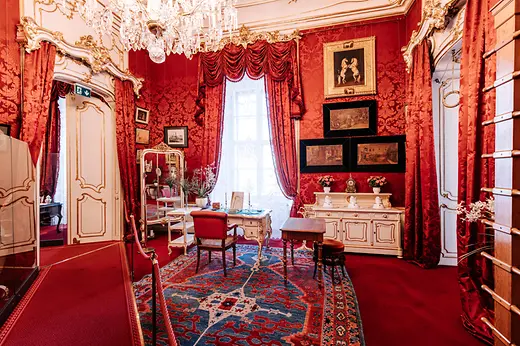
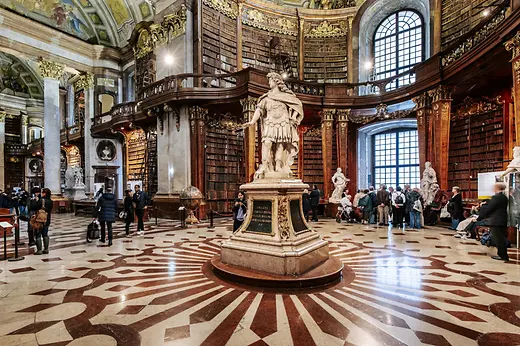
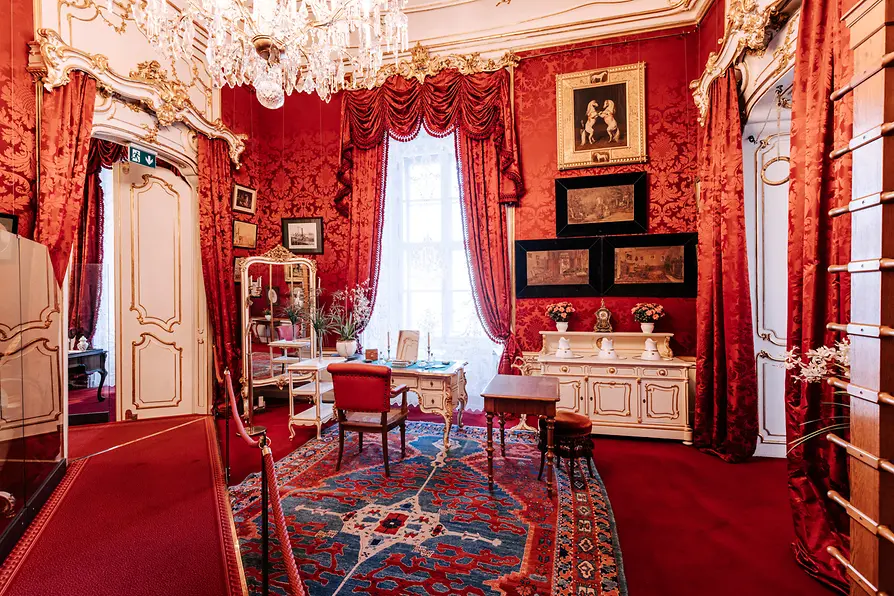
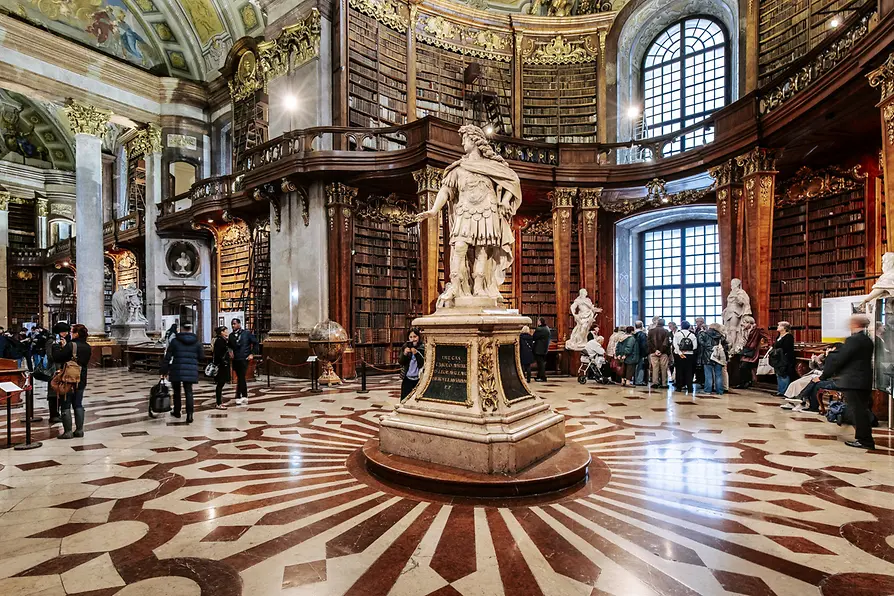
You couldn’t ask for a more central location - around 8,000 hotel rooms, 40 restaurants, and several popular shopping and strolling streets are all within walking distance of the Hofburg Vienna. It fronts almost directly onto the impressive Ringstrasse and is only a few hundred meters from St. Stephen’s Cathedral, the heart of the Inner City. There are a number of fascinating museums within the complex of interconnected buildings. First and foremost, there is imperial history to see: the original living and working rooms of Emperor Franz Joseph and Empress Elisabeth in the Imperial Apartments, a dedicated Sisi Museum, the Imperial Treasury Vienna with the Crown of the Holy Roman Empire, the Court Silver and Table Collection, as well as the Collection of Arms and Armour. Add to that the Weltmuseum Wien, the Collection of Historic Musical Instruments, a museum of archaeological finds from the ancient Greek city of Ephesus, and the Austrian National Library with one of the most beautiful state halls in the world. Two of Vienna's most-visited institutions are also based here: the Spanish Riding School and the Albertina, with multiple international masterpieces and one of the world's most important graphic collections. And at the House of Austrian History, you can even see the dress Conchita Wurst wore when she won the 2014 Eurovision Song Contest in Copenhagen.